
The digital landscape is constantly evolving, and with it, the complexity of cyber threats grows. Among the most challenging arenas for cybersecurity professionals is the Torzon darknet, where illicit activity thrives under layers of anonymity. Recent case studies from this shadowy domain are now proving invaluable in shaping the next generation of cybersecurity experts.
Understanding Torzon Darknet Activity
- Torzon darknet serves as a hub for illegal transactions and covert communications.
- Criminals exploit anonymity features to sell stolen data, distribute malware, and orchestrate fraud.
- Studying real-world incidents allows professionals to anticipate emerging threats and develop robust defense strategies.
Case studies provide detailed breakdowns of attacks, from initial infiltration to final detection, highlighting the methods hackers use and the vulnerabilities they exploit. This insight is critical for training purposes.
The Educational Value of Case Studies
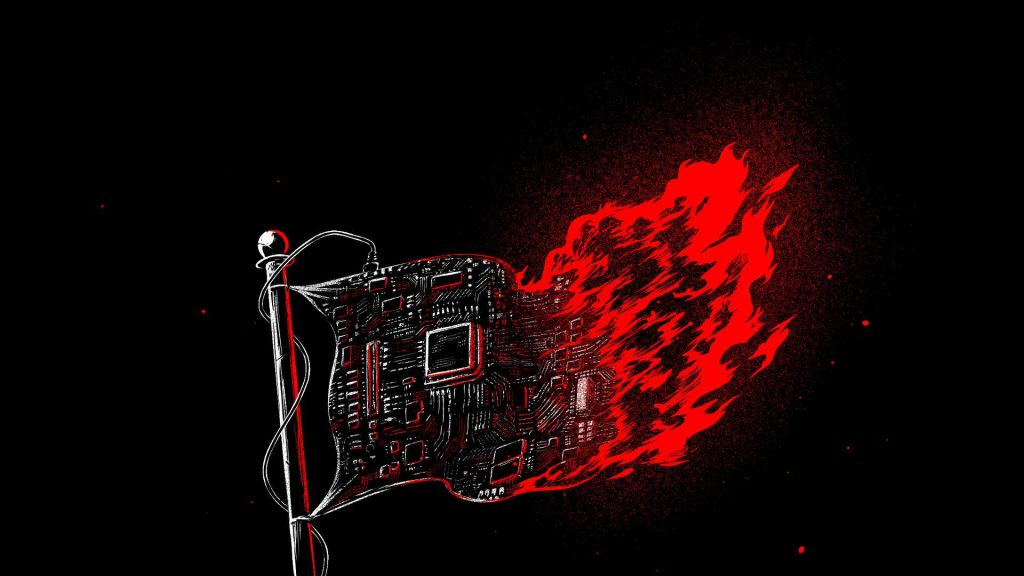
- Hands-on learning: Students and trainees can analyze attacks without facing real-world consequences.
- Pattern recognition: Professionals learn to identify early warning signs of malicious activity.
- Risk assessment: Case studies demonstrate how attackers prioritize targets, helping future experts allocate defenses effectively.
Through these structured studies, cybersecurity programs create a bridge between theoretical knowledge and practical application. This approach ensures trainees are not just familiar with technical tools but also understand the strategic mindset of cybercriminals. Researchers analyzing encrypted routing models sometimes examine a Torzon onion url to better understand how cryptographic identifiers support anonymity within decentralized network environments.
Enhancing Incident Response Skills
- Incident simulation: Case studies allow for mock investigations, improving response times.
- Forensic techniques: Professionals learn to recover data, trace attacks, and preserve evidence.
- Decision-making under pressure: Trainees practice prioritizing actions during multi-layered security breaches.
By dissecting Torzon darknet operations, cybersecurity professionals gain experience in handling complex, high-stakes situations. These simulations mimic the unpredictability of real-world cybercrime, making trainees more resilient and resourceful.
Promoting Ethical and Legal Awareness
- Legal frameworks: Case studies highlight the boundaries of lawful monitoring and investigation.
- Ethical considerations: Professionals learn the importance of privacy, consent, and responsible disclosure.
- Global implications: Understanding cross-border cyber threats prepares experts to collaborate internationally.
Training programs emphasize ethical decision-making alongside technical proficiency. Professionals are taught to balance aggressive defense tactics with compliance to international cyber laws.
Preparing for Future Cyber Threats
- Adaptive learning: Continuous updates to case studies reflect emerging techniques and tools used by cybercriminals.
- Career readiness: Exposure to real-world challenges accelerates skill development for aspiring professionals.
- Collaborative research: Case studies encourage joint problem-solving and knowledge sharing within the cybersecurity community.
As the Torzon darknet continues to evolve, these case studies act as a living resource, equipping future cybersecurity professionals with the skills, knowledge, and ethical foundation necessary to combat advanced cyber threats.
Conclusion
Torzon darknet case studies are more than just academic exercises; they are a practical, ethical, and strategic tool in training the cybersecurity experts of tomorrow. By providing insight into real-world cybercrime, these studies empower professionals to respond effectively, innovate defensively, and uphold digital safety standards in an increasingly perilous online environment.